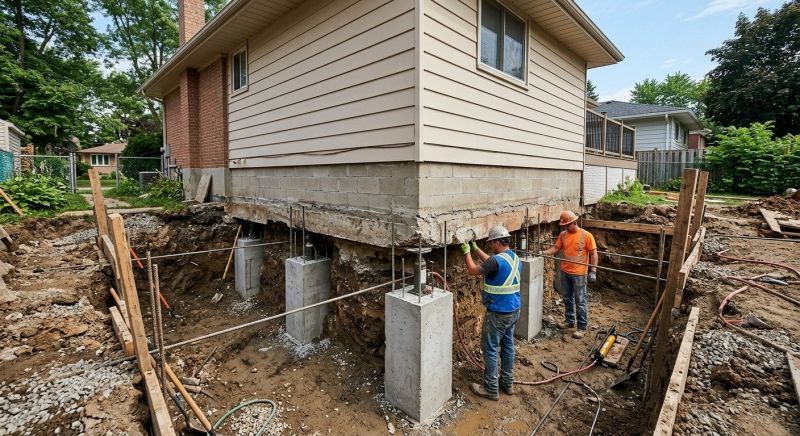
House Underpinning in Greenville, SC
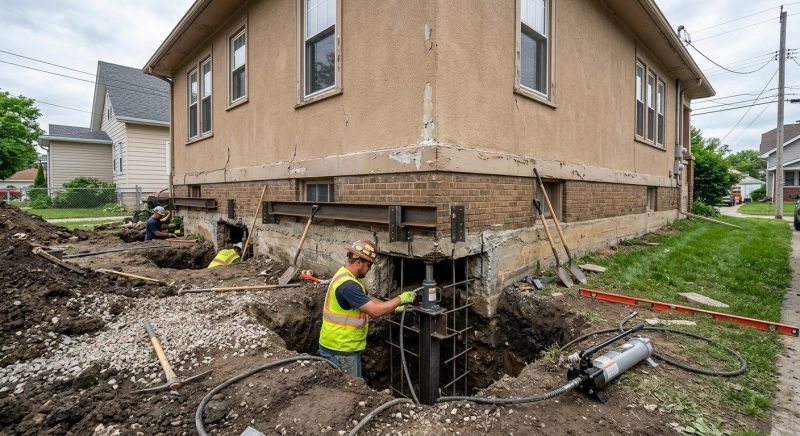
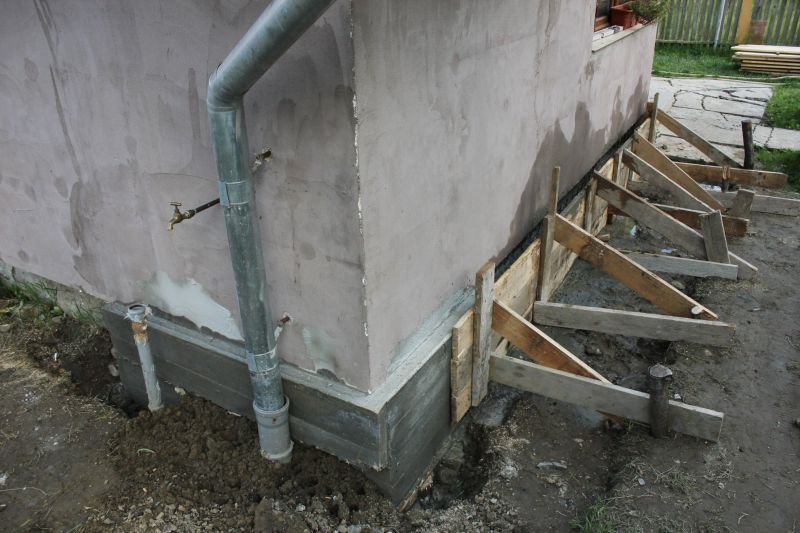
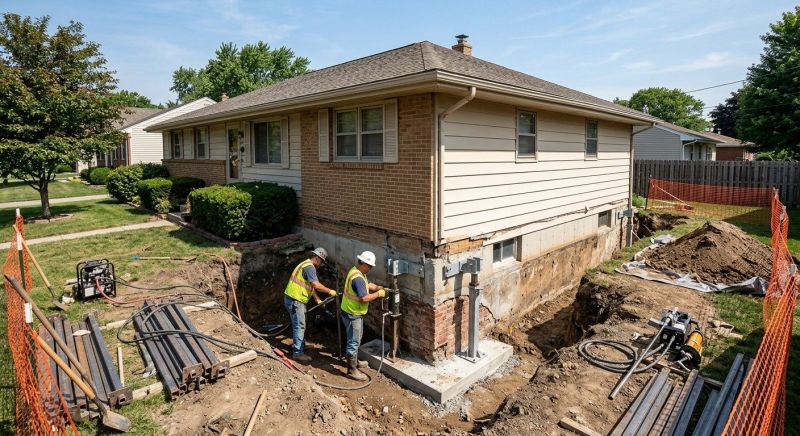
House underpinning services involve strengthening and stabilizing a property's foundation to address issues such as settlement, shifting, or deterioration. This process typically includes installing new support structures beneath the existing foundation, such as piers or piles, to ensure the stability and safety of the home. Projects requiring underpinning often arise when homeowners notice uneven floors, cracked walls, or doors and windows that no longer close properly, especially in areas prone to soil movement or moisture changes. Understanding the scope of underpinning work and the specific conditions of the property can help homeowners determine if this service is appropriate for their needs.
Before requesting underpinning services, property owners usually want to understand the extent of foundation issues and the best solutions to resolve them. It is important to consider factors such as the age and condition of the existing foundation, soil type, and any previous repairs. Clear communication about the property's history and current symptoms can facilitate an accurate assessment and effective stabilization plan. Proper evaluation ensures that underpinning is performed safely and effectively, helping to protect the home's structural integrity and long-term stability.
Many property owners in Greenville, SC look into House Underpinning for repairs, replacements, upgrades, and appearance-related improvements.
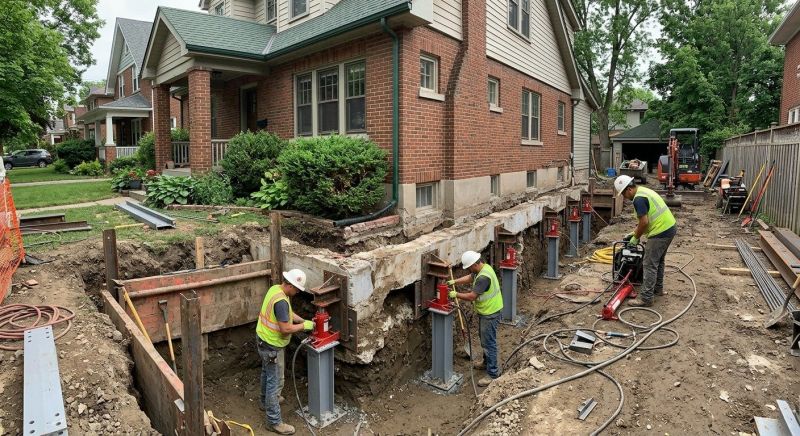
Understanding House Underpinning
House underpinning stabilizes and strengthens foundations to prevent settling and shifting.
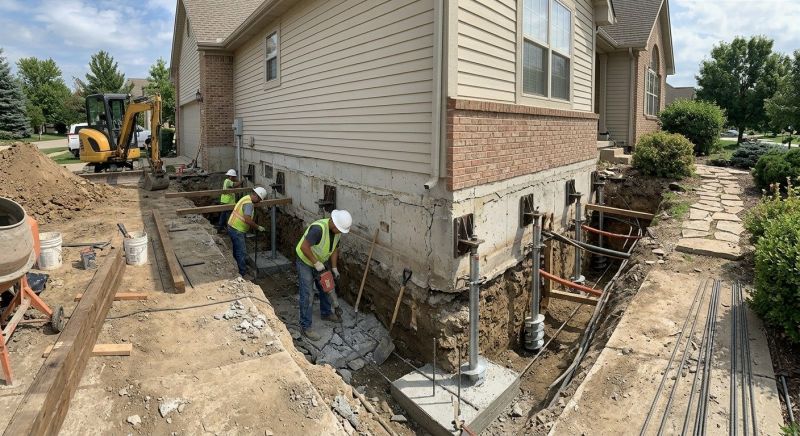
Signs You May Need Underpinning
Cracks in walls, uneven floors, or doors that won't close properly can indicate foundation issues.
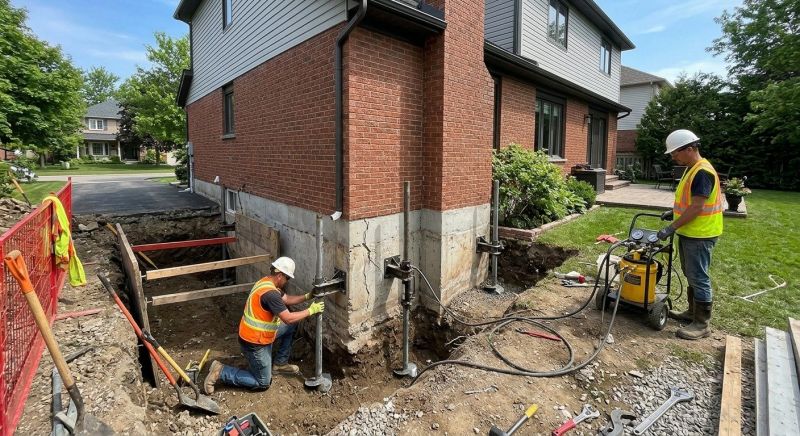
Benefits Of Professional Underpinning
Proper underpinning can enhance safety, protect property value, and ensure long-term stability for homes in greenville, sc.
House Underpinning in Greenville, SC

House underpinning services involve strengthening and stabilizing a property's foundation to address issues such as settlement, shifting, or deterioration. This process typically includes installing new support structures beneath the existing foundation, such as piers or piles, to ensure the stability and safety of the home. Projects requiring underpinning often arise when homeowners notice uneven floors, cracked walls, or doors and windows that no longer close properly, especially in areas prone to soil movement or moisture changes. Understanding the scope of underpinning work and the specific conditions of the property can help homeowners determine if this service is appropriate for their needs.
Before requesting underpinning services, property owners usually want to understand the extent of foundation issues and the best solutions to resolve them. It is important to consider factors such as the age and condition of the existing foundation, soil type, and any previous repairs. Clear communication about the property's history and current symptoms can facilitate an accurate assessment and effective stabilization plan. Proper evaluation ensures that underpinning is performed safely and effectively, helping to protect the home's structural integrity and long-term stability.
Many property owners in Greenville, SC look into House Underpinning for repairs, replacements, upgrades, and appearance-related improvements.
Common House Underpinning Jobs
Foundation Stabilization - techniques to prevent further settling or shifting of the house.
Crack Repair - sealing and reinforcing cracks in the foundation to maintain structural integrity.
Pier and Beam Underpinning - strengthening or replacing support piers to improve stability.
Basement Underpinning - enhancing basement support to prevent water intrusion and movement.
Soil Stabilization - improving soil conditions beneath the foundation to reduce settling risks.
Structural Reinforcement - adding supports to strengthen the overall foundation and prevent future issues.
House Underpinning Questions
What is house underpinning? House underpinning involves strengthening or stabilizing a building’s foundation to address issues like settling or shifting.
When is underpinning needed? Underpinning is typically required when a property shows signs of foundation movement, cracks, or uneven floors.
What types of underpinning methods are used? Common methods include piering, slab jacking, and foundation underpinning, chosen based on the specific foundation condition.
How does underpinning benefit a property? Underpinning helps prevent further foundation damage, improves stability, and supports the overall safety of the structure.
Request House Underpinning in Greenville, SC
Use the quote form on this page to share the basics of your project and request more information for the type of work you need.